After a Tick Bite:
Ledum to the rescue
After a hike in the Santa Monica Mountains or an afternoon of weeding, you may find a small dark dot that wasn’t there that morning. It got legs. And it’s attached to you… How many times have I heard screams of terror emanating from my children due to this discovery!
So, first breathe and then get the tweezers. This one here being my favorite one to use:
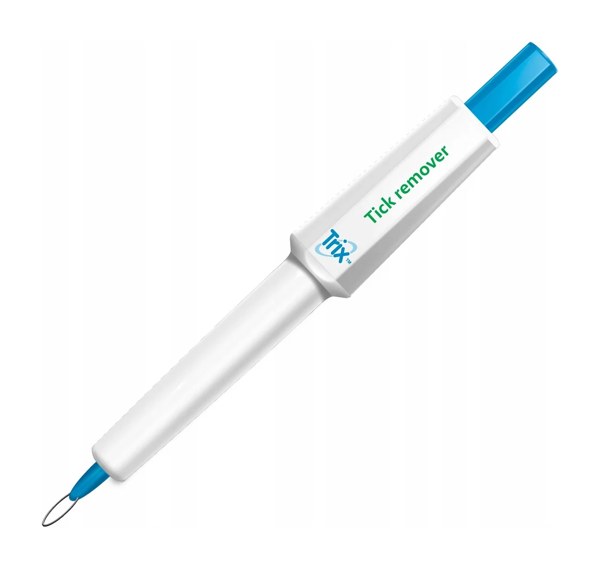
It can grab the tiniest tick and remove it safely. And most tick bites end right there, with a tick in alcohol (I always keep them, just in case) and an itchy spot for a day or two. And if you want to do more than wait and see, homeopathy has assistance to offer, starting with a remedy that should already be in your home kit.
Yeah, we have ticks here…
Southern California has ticks, and the one that can carry Lyme disease is the western blacklegged tick. The good news: down here, very few of them actually carry Lyme, far fewer than in Northern California or back East.
Ticks can’t jump or fly. They sit on the tips of grass and low brush with their front legs stretched out, and when you brush past, they climb aboard. Some bite right away, others wander around looking for thin skin, during which many are discovered due to the tickle. Their saliva numbs the bite spot, so you don’t always feel that. The young ones, called nymphs, are about the size of a poppy seed, which is why plenty of people with Lyme never noticed a tick or bite at all.
After discovery, get it off the right way
The sooner, the better! A tick usually needs to be attached for more than 24 hours before it can pass on Lyme.
- Use fine-tipped tweezers as close to the skin as you can, so you hold its head end and don’t squeeze its body. Or use the tool from the image above as we do.
- Pull straight up with steady, even pressure. No twisting, no yanking.
- If part of the mouth stays in the skin, take it out if possible. If it won’t come out, leave it. Your skin will push it out as it heals.
- Wash the spot and your hands with soap and water or some rubbing alcohol on the spot.
- Wrap the tick tightly in tape and write the date on it. If anything shows up later, you’ll know exactly when it happened. Or keep it in rubbing alcohol. I use small glass vials with a sticker attached declaring the date and who the tick was attached to.
- Check the rest of you. Where there’s one, there may be another.
Stay away from old wives’ tales like nail polish, Vaseline or a hot match. They irritate the tick, and an irritated tick can push more of its contents into you. Tweezers win.
A small red bump right at the bite, like a mosquito bite, is normal and usually fades within a few days.
Ledum: the first remedy I reach for
Ledum palustre is the classic remedy for puncture wounds and bites, and a tick bite is exactly that. The keynote is a strange one: the bitten area feels cold, to you and to the touch, and yet a cold compress feels good. The spot tends to look pale or bruised and purplish rather than hot and red.
After a tick bite, I like to follow the protocol of one of my teachers, homeopath Richard Pitt: Ledum 30C three times a day for one week. The earlier you start, the better.
If joint pains should show up afterward, Ledum may still be the remedy. Ledum pains typically start in the feet and travel upward, and the joints are swollen and stiff, better with cold and worse from warmth. In those cases Pitt moves up to 200C once a day for a week or until things improve.
Ledum or Apis? If the bite is hot, red, puffy and stinging, swollen like a little balloon, think Apis instead. Ledum is cool and pale to purple. Apis is hot and angry.
The Borrelia nosode
A nosode is a homeopathic remedy made from the disease itself, in this case from Borrelia, the bacteria behind Lyme disease. Pitt also recommends Borrelia 30C in the early stage, together with Ledum, to help keep the disease from developing. Nosodes usually aren’t available in health stores, so this is one you would probably need to order from an online pharmacy.
Ledum’s family
Ledum belongs to the heath family, Ericaceae, along with Kalmia and Rhododendron. Homeopaths have noticed the whole plant family matches the aches of early Lyme remarkably well: wandering joint pains, stiffness, a body that feels like it has the flu.
Kalmia: the pains move fast, jump from joint to joint and travel downward, the opposite of Ledum, whose pains climb up. Numbness and tingling often come along. Worse from motion.
Rhododendron: for the joints that know a storm is coming before the weather app does. Pains are worse before a storm and better once it breaks, worse at rest, and better from warmth and moving around.
When it feels like the flu
Eupatorium perfoliatum: a deep ache in the bones, as if they were broken, with fever and chills. Its common name, boneset, tells you where it hurts. A spreading red rash, with or without the bullseye, or a fever in the weeks after a bite is worth getting checked so you know what you’re dealing with.
When it lingers
Sometimes the bite is long forgotten but the after-effects aren’t: tiredness that sleep doesn’t fix, joints that ache in a new place every week, brain fog, tingling in hands or feet. Lyme is famous for looking like a dozen other conditions.
This is the point at which I would take the whole case. When did it start? What did the bite and the weeks afterward look like? How do you sleep, what do you crave, how have you been doing since? We treat what Lyme left behind, whether the bite was last summer or ten years ago.
This article is for general information and isn’t a substitute for medical care.